


Executive Summary
Background. The United States (U.S.) Department of Health and Human Services Office of the Assistant Secretary for Planning and Evaluation (ASPE) supports intradepartmental efforts to build data capacity for patient-centered outcomes research and to improve evidence generation for healthcare decisionmaking. ASPE contracted with NORC at the University of Chicago to conduct an environmental scan to explore the patient-reported outcome measures (PROMs) that could be used in new and emerging sickle cell disease (SCD) therapies. In SCD clinical trials, PROMs may be used as clinical outcome assessments (COAs) to assess patient-reported outcome (PRO) endpoints related to how patients feel and function as a result of treatment and to inform regulatory evaluations. The development of new cell-based gene therapies introduces substantially different treatment processes, risks, and expected outcomes that may not be fully captured by PROMs used in trials for traditional SCD treatments. Objective. This project identified, reviewed, and synthesized evidence on PROMs that could be used as COAs in clinical trials for new SCD cell-based gene therapies to support therapeutic submissions to the U.S. Food and Drug Administration (FDA). Methods. We conducted an environmental scan to identify and characterize PROMs that could be used in clinical trials for both existing and emerging cell-based gene therapies for SCD. Activities included a peer-reviewed literature search using PubMed and EMBASE and a targeted web scan of grey literature, with a focus on sources documenting PROM use in trials (e.g., ClinicalTrials.gov) and SCD-focused advocacy organization websites. Records were screened using a two-stage process: title/abstract screening followed by full-text review. Information from eligible sources was abstracted into a structured inventory. Three subject matter experts (two clinicians and one patient advocate) provided input on the scan’s scope and interpretation of preliminary findings, and reviewed project deliverables. Results. The environmental scan identified that PRO endpoints historically recommended in SCD trials by the American Society of Hematology and the FDA primarily focused on specific aspects of pain, affect, and function. In contrast, PRO endpoints used in trials of cell-based gene therapies for SCD addressed some of these same areas but more commonly emphasized global measures of health-related quality of life with substantial variability in the domains assessed across measures. The scan identified nine clinical trials of cell-based gene therapies that incorporated or planned to incorporate PRO endpoints. These trials used or planned to use 22 unique PROMs to assess 11 different concepts of interest. After healthrelated quality of life, the most frequently measured concepts were pain intensity and overall pain. The 13 PROMs used to measure health-related quality of life captured approximately 30 different domains, many of which covered aspects of pain, affect, and function. Most of the identified PROMs (17) were not developed specifically for use among people with SCD; instead, many were developed as generic measures that could be used to assess the experiences of people with a wide range of health conditions. Conclusion . The environmental scan of PROMs used as COAs in SCD cell-based gene therapy clinical trials identified a wide range of instruments in a rapidly evolving field. The variability in PROMs and domains assessed likely reflects the emerging nature of these therapies and the predominance of earlyphase (Phase 1/2) trials, in which investigators are still determining which measures are most appropriate and sensitive for capturing the effects of treatment. Future work to advance PROM use should focus on prioritizing measures that more precisely capture functional outcomes important to patients; tailoring instruments to individuals’ unique functional baselines; developing or adapting instruments to better capture treatment side effects and safety; and extending assessments to identify long-term outcomes.
1. Introduction
Purpose of the Report
The United States (U.S.) Department of Health and Human Services (HHS) Office of the Assistant Secretary for Planning and Evaluation (ASPE) coordinates intradepartmental projects under the Office of the Secretary – Patient-Centered Outcomes Research Trust Fund (OS-PCORTF) portfolio that build data capacity for conducting patient-centered outcomes research (PCOR). These efforts support data infrastructure initiatives that improve evidence generation for patient and provider health care decisionmaking. Understanding what is important to patients in clinical trials and assessing safety and efficacy through high-quality measurement is key to regulatory decision-making. 4 However, a persistent challenge in regulatory evaluation is whether existing measurement tools adequately capture patientrelevant concepts of interest and are fit-for-purpose for their intended context of use. As new therapies emerge, there is a need for tools that can accurately capture new patient experiences. ASPE contracted with NORC at the University of Chicago (NORC) to conduct an environmental scan to explore the patientreported outcome measures (PROMs) that could be used in new and emerging sickle cell disease (SCD) therapies.
1.1 Background
Sickle Cell Disease Treatment Overview
More than 100,000 people in the U.S. live with SCD, an inherited hemoglobin disorder caused by mutations in the β-globin. 9 , 10 Individuals with SCD experience significant sickness related to severe acute and chronic pain, cardiovascular disease, and organ damage, contributing to lower life expectancy. 11 , 12 Traditional SCD treatment has historically focused on disease management through pharmacological therapy, such as hydroxyurea, to prevent vaso-occlusive crises causing pain and other complications; non-pharmacological approaches such as cognitive behavioral therapy for the psychosocial management of chronic pain; and blood transfusions. 13 , 14 Allogeneic hematopoietic stem cell transplantation (HSCT) has been the only cure option since the late 1980s but is limited by donor availability and serious treatment-related risks, such as graft-versus-host disease and the need for long-term immunosuppression. 15
Cell-Based Gene Therapy Overview
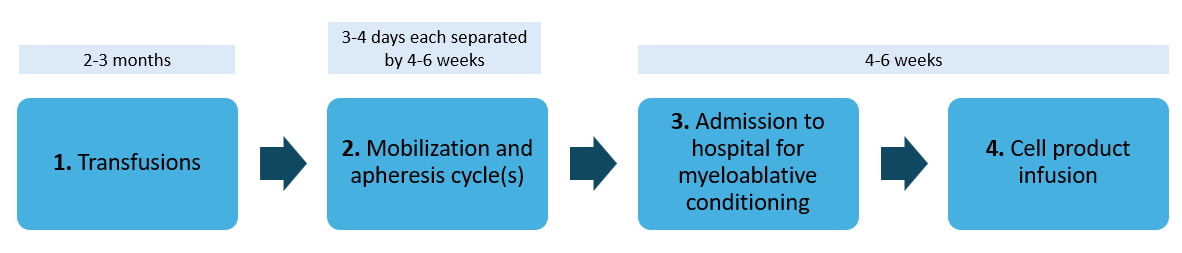
More recently, curative strategies have evolved beyond hematopoietic stem cell transplantation to autologous cell-based gene therapies that modify or replace genes in patients’ own stem cells. 16 Two autologous cell-based gene therapies were approved by the U.S. Food and Drug Administration (FDA) in 2023: Casgevy (exagamglogene autotemcel) and Lyfgenia (lovotibeglogene autotemcel). 17 , 18 These cellbased gene therapies eliminate donor-related risks such as graft-versus-host disease. However, they still introduce treatment burdens and toxicities related to stem cell mobilization and collection, myeloablative conditioning chemotherapy, and inpatient infusion and post-therapy monitoring, and they have unknown long-term effects. 1 Exhibit 1 shows the typical treatment pathway for these new therapies. Additional cell-based gene therapies remain under clinical investigation, with trials evaluating various gene-editing and gene-addition approaches. 19 , 20
Exhibit 1. Typical Treatment Pathway for Autologous Cell-Based Gene Therapies for Sickle Cell Disease, Adapted from Sharma (2024) 21
PROs for Sickle Cell Disease Overview
The substantially different treatment processes, risk profiles, and expected outcomes associated with cell-based gene therapies 16 compared to past SCD treatments necessitate careful evaluation of whether existing PRO endpoints and PROMs adequately capture both treatment-related burden and benefit. It remains uncertain whether PROMs historically used in SCD trials fully reflect the short-term toxicities, recovery trajectory, and long-term uncertainties associated with cell-based gene therapy, or whether additional or adapted measures are required to support PRO endpoints for this emerging treatment.
Clinical Outcomes Assessment Overview
When evaluating whether to approve a new medical product, the FDA assesses whether the product demonstrates a clinically significant treatment effect on a meaningful aspect of health (MAH). This determination is made by estimating the treatment effect on an endpoint intended to reflect the MAH. Endpoints are precisely defined outcome measures used to assess the safety or efficacy of an intervention in a clinical trial. They can be designated as primary, secondary, or exploratory depending on their role in supporting regulatory decision-making and the specific objectives of the trial. 22 To support patient-centered drug development and evaluation, the FDA encourages the use of clinical outcome assessments (COAs) as endpoints in clinical trials. 3 PROMs are one of four types of COAs (alongside clinician-reported, observer-reported, and performance outcome measures). 23 , 24 For a PROM-based COA to be relied upon as evidence in regulatory decision-making, it must be fit for purpose within its defined context of use as a trial endpoint. 4 A COA is considered fit for purpose when there is sufficient evidence to support the validity of the interpretation of its scores as measuring the specified concept of interest in the defined population and setting. This includes evidence supporting content validity, reliability, construct validity, and the ability to detect change. 4
1.2 Objectives and Structure of the Report
The primary goal of this project was to identify, review, and analyze PROMs that could be used as COAs in support of trials for new cell-based gene therapies submitted to the FDA for SCD, and to provide a comprehensive inventory of these measures.
This project is guided by the following research questions:
- What PROMs exist for use in SCD treatment, and what symptom domains do they assess?
- Have these existing measures been established for use in new and emerging therapies developed for SCD? What additional or adapted PROMs may be needed to align with these evolving therapies and their symptom profiles?
- What evidence exists on the measurement properties of these PROMs (e.g., reliability, validity) to inform their potential suitability as COAs?
- What is the available evidence about the use of these measures as COAs in support of clinical drug and biologics trials for new therapeutics submitted to the FDA?
The report is intended to support the FDA and other federal partners, academic and independent researchers, and pharmaceutical sponsors involved in the conduct of clinical trials by providing a comprehensive resource to inform the selection and use of PROMs. The subsequent sections of the report are organized as follows: the Methods section provides an overview of the data collection methods, including the implementation of an environmental scan and engagement with subject matter experts (SMEs); the Results section describes the PROMs identified through these methods and their characteristics; the Discussion section describes gaps and opportunities to develop or adapt PROMs for use in SCD cell-based gene therapy trials; and the Conclusion section summarizes findings and future directions. The report also contains supplementary appendices described in the following sections.
2. Methods
We conducted an environmental scan to identify PROMs, gaps, and opportunities for adapting and developing PROMs, which involved two key activities. First, we identified PROMs through a literature review. Next, we sought feedback on the literature review findings from clinician and patient advocate SMEs.
2.1 Environmental Scan
An environmental scan was conducted to identify and enable the characterization of PROMs that could be used to support clinical trials for both existing and emerging cell-based gene therapies for SCD. Additionally, the scan identified gaps and opportunities in the PROMs currently available and areas where PROMs can be adapted or developed to support understanding of the patient experience with these new therapies.
To complete the scan, we first conducted a peer-reviewed literature search using PubMed and EMBASE, supplemented by a targeted web scan of grey literature to identify additional relevant PROMs. We prioritized grey literature sources that focused on the use of PROMs in clinical trials, including Clinicaltrials.gov and various SCD-focused advocacy organization websites. Exhibit 2 illustrates the article selection process. After the removal of duplicate articles, literature identified through the review underwent a two-step screening process: an initial title and abstract review, followed by a full-text review for eligibility. We applied search terms and inclusion/exclusion criteria as detailed in Appendix A, Exhibits A2 and A3 , respectively.
Following full-text review, we abstracted information from included peer-reviewed and grey literature into a spreadsheet inventory ( Appendix A, Exhibit A4 ). The inventory was accessible to all team members to ensure transparency and collaborative input.
Exhibit 2. Article Selection Process

2.2 Engagement with Subject Matter Experts
We engaged with three SMEs – two clinicians, one of whom has lived experience with SCD, and a patient advocate – to guide the environmental scan. The SMEs first provided input on the general literature review search strategy through semi-structured interviews. SMEs then shared feedback on and further contextualized the literature review findings through the asynchronous review of tables and figures with preliminary results. These tables and figures were later incorporated into the final report. Finally, SMEs reviewed the full report and provided further feedback that was incorporated into the final version.
3. Results
This section begins with findings related to PRO endpoints and PROMs recommended for SCD clinical trials, followed by those used in trials that specifically study new cell-based gene therapies. PROs refer to reports of health status, symptoms, functioning, or treatment experiences provided directly by patients, while PROMs are the instruments used to assess these outcomes. In clinical trials, endpoints are the measurements used to evaluate and statistically compare treatment effects; PRO endpoints are endpoints for which a PROM is used as the measure. Further details regarding these PROMs are available in the inventory accompanying this report on https://aspe.hhs.gov . Appendix B describes the characteristics of each of the identified PROMs that are included in the inventory.
3.1 Recommended PRO Endpoints for SCD Clinical Trials
The FDA and the American Society of Hematology (ASH) convened expert panels in 2019 that identified core PRO endpoints for SCD clinical trials aligned with SCD’s major symptoms and impacts. 25 These included PRO endpoints related to pain (intensity, interference/impact, and behavior), affect (depression/negative emotional impact and fatigue), and functioning (social, physical, and cognitive function; self-efficacy; and occupational function). 25
The PROMs recommended by the panel to measure each PRO endpoint are shown in Exhibit 3 . Additional endpoints recommended by SMEs are also included . Instruments from the Patient-Reported Outcomes Measurement Information System (PROMIS), Adult Sickle Cell Quality of Life Measurement Information System (ASCQ-ME), and Pediatric Quality of Life Inventory (PedsQL) were recommended for many of the PRO endpoints.
Exhibit 3. PRO Endpoints and PROMs Recommended by FDA/ASH Expert Panels
| PRO Endpoint | Recommended PROM |
|---|---|
Pain | |
| Intensity: The magnitude or severity of perceived pain. 26 | |
| Interference/impact: The extent to which pain hinders engagement with physical, cognitive, emotional, cognitive, and recreational activities, as well as sleep and enjoyment in life. 29 | |
| Behavior: Behaviors people with pain engage in that communicate to others that they are experiencing pain (e.g., verbal complaints, facial expressions). 34 |
|
Affect | |
| Depression/negative emotional impact: A generalized tendency towards experiencing negative feelings such as anger, hostility, depression, grief, and anxiety. 36 | |
| Fatigue: An extreme sense of tiredness and lack of energy that can interfere with a person's usual daily activities. 40 | |
Function | |
Emotional/social, physical, cognitive domains:
| |
| Occupational status: The socioeconomic status associated with an individual's occupation. 46 | |
| Self-efficacy: An individual’s subjective perception of their capability to perform in a given setting or to attain desired results. 49 | |
ASCQ-Me = Adult Sickle Cell Quality of Life Measurement Information System; PedsQL = Pediatric Quality of Life Inventory; PROMIS = Patient-Reported Outcomes Measurement Information System
3.2 PRO Endpoints in SCD Cell-Based Gene Therapy Clinical Trials
This section describes the PRO endpoints and PROMs used specifically in cell-based gene therapy clinical trials.
3.2.1 Characteristics of SCD Cell-Based Gene Therapy Clinical Trials
Nine clinical trials of cell-based gene therapies for SCD incorporated or planned to incorporate PRO endpoints. Five of these trials stem from three sponsored drug development programs, while four trials were investigator-initiated ( Exhibit 4 ). Peer-reviewed publications reporting PRO endpoint results were identified for only two trials. PRO endpoints for the other seven trials were identified through conference presentation abstracts, publicly available clinical trial protocols, and/or results published by sponsors.
Exhibit 4. Characteristics of SCD Cell-Based Gene Therapy Clinical Trials Incorporating or Planning to Incorporate PROMs
| Study Name | PRO Endpoint | PROM(s) Used |
|---|---|---|
| 1. A Safety and Efficacy Study Evaluating CTX001 in Subjects With Severe Sickle Cell Disease (CLIMB SCD-121) a , 52 , 53 Sponsor: Vertex Pharmaceuticals and CRISPR Therapeutics Study Population: Patients 12 to 35 years of age Phase: Phase 1/2/3 | Health-related quality of life | |
| HSCT-related impact | FACT-BMT Bone Marrow Transplantation Subscale 58 | |
| Pain intensity | NRS 27 | |
| 2. A Long-term Follow-up Study in Participants Who Received CTX001 (CLIMB SCD-131) 59 Sponsor: Vertex Pharmaceuticals and CRISPR Therapeutics Study Population: Patients 12 to 35 years of age Phase: Phase 3 | Health-related quality of life | |
| Pain | FLACC 60 | |
| Pain intensity | ||
| 3. Gene Transfer for Patients With Sickle Cell Disease (ARU-1801_Ph1_01) 62 Sponsor: Independent with partial funding from Aruvant Sciences Study Population: Patients 18 to 45 years of age Phase: Phase 1/2 | Health-related quality of life | ASCQ-ME 31 |
| 4. A Study Evaluating the Safety and Efficacy of Lovo-cel in Severe Sickle Cell Disease (HGB-206) b , 63 , 64 Sponsor: Bluebird Bio Study Population: Patients 12 to 50 years of age Phase: Phase 1/2 | Health-related quality of life | PROMIS-57 65 |
| Pain intensity | NRS 27 | |
| 5. A Study Evaluating Gene Therapy With BB305 Lentiviral Vector in Sickle Cell Disease (HGB-210) 64 Sponsor: Bluebird Bio Study Population: Patients 12 to 50 years of age Phase: Phase 3 | Health-related quality of life | PROMIS-57 65 |
| Pain intensity | NRS 27 | |
| 6. Study of Safety and Efficacy of Genome-edited Hematopoietic Stem and Progenitor Cells in Sickle Cell Disease (CADPT03A12101) c , 66 , 67 Sponsor: Novartis Pharmaceuticals Study Population: Patients 2 to 40 years of age Phase: Phase 1/2 | Pain Impact | ASCQ-ME Pain Impact 68 |
| Sleep impact | ASCQ-ME Sleep Impact 69 | |
| Emotional impact | ASCQ-ME Emotional Impact 37 | |
| Fatigue | PROMIS Fatigue 41 | |
| Physical function | PROMIS Physical Function 33 | |
| 7. Efficacy Safety Study of Gene Therapy for Sickle Cell Disease (SCD) Using Autologous CD34+ Cells Transduced ex Vivo, Carrying a Corrected Globin Gene and a Silencing RNA (DREPAMIR) 70 Sponsor: Independent Study Population: Patients 12 to 35 years of age Phase: Phase 1/2 | Physical ability | GPAQ 71 |
| Patient health | MOS-SF-36 72 | |
| Fatigue | FACIT-Fatigue 73 | |
| Health-related quality of life | ||
| 8. A Gene Transfer Study Inducing Fetal Hemoglobin in Sickle Cell Disease (GRASP) 74 Sponsor: Independent Study Population: Patients 13 to 40 years of age Phase: Phase 2 | Health-related quality of life | |
| 9. Hematopoietic Stem Cell BCL11A Enhancer Gene Editing for Severe β-Hemoglobinopathies 76 Sponsor: Independent Study Population: Patients 13 to 40 years of age Phase: Phase 1 | Health-related quality of life |
a This study was conducted as part of the drug development program that supported FDA approval of Casgevy.
b This study was conducted as part of the drug development program that supported FDA approval of Lyfgenia.
c This trial was terminated early for business reasons, and the analysis of PRO endpoints could not be performed due to lack of available data.
d This unspecified instrument is counted as one instrument in subsequent results.
ASCQ-Me = Adult Sickle Cell Quality of Life Measurement Information System; EQ-5D-5L = EuroQol 5 Dimension 5 Level; EQ-5D-Y = EuroQol 5 Dimension 5 Level Youth; EQ VAS = EuroQol Visual Analogue Scale; FACES = Wong-Baker FACES® Pain Rating Scale; FACIT = Functional Assessment of Chronic Illness Therapy; FACT-BMT = Functional Assessment of Cancer Therapy – Bone Marrow Transplantation; FLACC = Face, Legs, Activity, Cry, Consolability Scale; GPAQ = Global Physical Activity Questionnaire; MOS-SF = Medical Outcomes Study Questionnaire Short Form; NRS = Numeric Rating Scale; PedsQL = Pediatric Quality of Life Inventory; PROMIS = Patient-Reported Outcomes Measurement Information System
3.2.2 PROMs Used in SCD Cell-based Gene Therapy Clinical Trials
The identified trials used or planned to use 22 unique PROMs to assess 11 different concepts i ( Exhibit 5 ). The most frequently measured concept was health-related quality of life (assessed 19 times across trials, reflecting both use of multiple instruments within a trial and assessment across different trials), followed by pain intensity (five assessments). Trials used or planned to use 13 unique PROMs to measure health-related quality of life.
The trials that were part of the drug development programs for Casgevy and Lyfgenia assessed healthrelated quality of life, pain intensity, and HSCT-related impact, but the endpoints were ultimately not used to support labeling claims. 77 , 78 Across trials, PRO endpoints were most frequently designated as secondary or exploratory. No trial included a PRO endpoint explicitly as a primary endpoint. ii
i In most cases, the concept of interest underlying PRO endpoints, as defined within the FDA’s COA framework, was not explicitly stated in published reports. Concepts were therefore characterized based on the PROM used, the specific score analyzed (e.g., total or domain score), and the endpoint description provided in the trial publication or protocol.
ii Some trials included vaso-occlusive crises (VOC), or pain crises, as primary endpoints. VOCs are identified based on patient- reported symptoms and experiences and thus could be conceptualized as a PRO, although they are not typically reported as such.
Exhibit 5. PROMs and Concepts Assessed in SCD Cell-based Gene Therapy Clinical Trials a
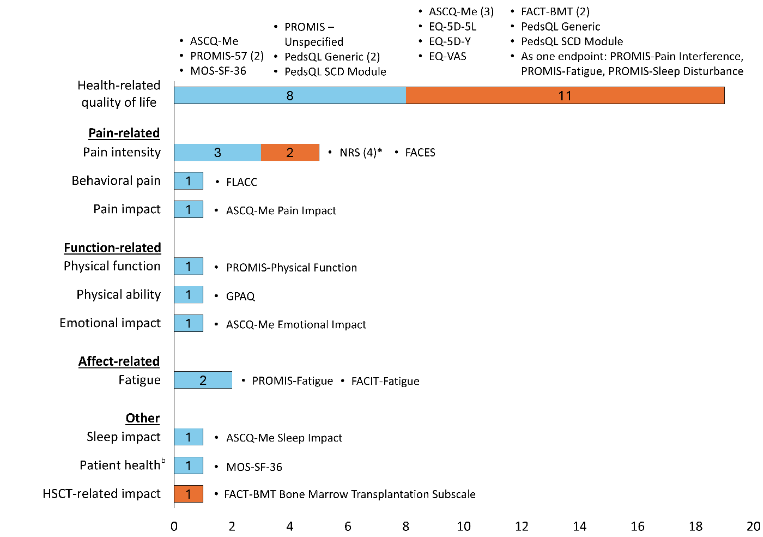
a A PROM may be counted multiple times if a trial generated multiple publications that reported the results of the PROM (e.g., a publication on the primary trial results and a separate health-related quality of life publication).
b Patient health was assessed using the MOS-SF-36, which captures multiple aspects of health, including physical functioning, role limitations, social functioning, pain, mental health, vitality, and general health perceptions.
*The Numeric Rating Scale (NRS) was the PROM used in all trials that included a PRO endpoint measuring pain intensity. ASCQ-Me = Adult Sickle Cell Quality of Life Measurement Information System; EQ-5D-5L = EuroQol 5 Dimension 5 Level; EQ-5D-Y = EuroQol 5 Dimension 5 Level Youth; EQ VAS = EuroQol Visual Analogue Scale; FACES = Wong-Baker FACES® Pain Rating Scale; FACIT = Functional Assessment of Chronic Illness Therapy; FACT-BMT = Functional Assessment of Cancer Therapy – Bone Marrow Transplantation; FLACC = Face, Legs, Activity, Cry, Consolability Scale; GPAQ = Global Physical Activity Questionnaire; HrQoL = Health-related quality of life; HSCT = Hematopoietic stem cell transplantation; MOS-SF = Medical Outcomes Study Questionnaire Short Form; NRS = Numeric Rating Scale; PedsQL = Pediatric Quality of Life Inventory; PROMIS = Patient-Reported Outcomes Measurement Information System Health-Related Quality of Life
The 13 PROMs used to measure health-related quality of life capture approximately 30 different domains ( Exhibit 6 ). Many of the domains capture aspects of pain, affect, and function that were identified as particularly salient for SCD by the 2019 expert panels convened by ASH and FDA. 25 The PROMs also capture nine other domains, including sleep, mobility, and general health. Many of these domains overlap with concepts that are also evaluated on their own in trials (e.g., pain and pain intensity).
Exhibit 6. Domains Covered in PROMs Used to Assess Health-Related Quality of Life
| ASH/FDA Domain Category | Domains in Health-Related Quality of Life PROMs* |
|---|---|
| Pain | Pain impact (2) |
| Pain | |
| Pain interference (2) | |
| Pain intensity | |
| Pain and hurt | |
| Pain management and control | |
| Pain episodes | |
| Affect | Depression (2) |
| Anxiety (2) | |
| Fatigue (2) | |
| Function | Physical function (2) |
| Emotional function (2) | |
| Social function (2) | |
| Ability to participate in social roles and activities | |
| Emotions | |
| School function | |
| Functional well-being | |
| Physical well-being | |
| Social/family well-being | |
| Other | Sleep disturbance (2) |
| Sleep impact | |
| Mobility | |
| Self-care | |
| Usual activities | |
| Worry | |
| Stiffness impact | |
| Communication | |
| Additional concerns |
*Domains covered by more than one PROM are noted with the relevant number of instruments in which they appear in parentheses. All other domains are captured by only one PROM.
Applicability of PROMs to SCD Populations
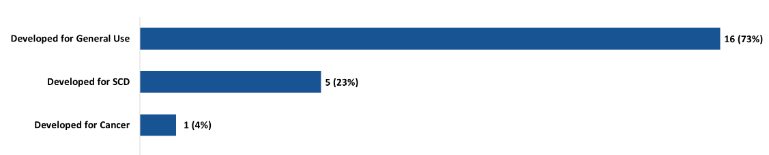
Most of the identified PROMs (n=16) were developed for general use ( Exhibit 7 ) for assessing the experiences of people with a wide range of health conditions, though this does not necessarily limit their suitability for use in SCD trials. One PROM, the Functional Assessment of Cancer Therapy – Bone Marrow Transplantation (FACT-BMT), was originally developed for use among cancer patients and was used in SCD clinical trials to assess health-related quality of life and side effects of gene therapy treatment.
PROMs developed specifically for use in SCD included four ASCQ-ME instruments and the Peds-QL SCD Module. A list of PROMs developed for SCD is provided in Appendix C . Complete information on which PROMs were and were not developed for SCD is available in the accompanying inventory.
Exhibit 7. Number of PROMs Used in SCD Cell-based Gene Therapy Clinical Trials Developed for SCD
Timing of PRO Endpoint Assessments
The timing of PRO endpoint assessment is a critical design consideration in trials of cell-based gene therapies for SCD, as the treatment process may introduce short-term toxicities that affect how patients feel and function, and meaningful improvements may emerge gradually over time. From a regulatory perspective, the timing of assessment also affects whether a PRO endpoint can demonstrate clinically meaningful benefit.
All studies assessed the change in the PROM score from baseline over time as the endpoint. The earliest assessment of change occurred at three months post-treatment for most endpoints where timing was specified, except for HSCT-related impact ( Exhibit 8 ). Most studies continued PROM assessments at approximately six-month intervals for two years. Publications generally reported the earliest timepoint at which a change in the PROM score met established thresholds for meaningful change.
The duration that PROMs were assessed generally reflected the trial phase. Phase 1 and 2 studies, which comprised seven of the nine identified trials, typically included follow-up of two years or less consistent with their focus on safety and short-term efficacy. The only Phase 3 trials identified were for Casgevy and Lyfgenia, and these extended follow-up beyond two years (up to five years for Casgevy and up to four years for Lyfgenia) as these trials are intended to confirm longer-term safety and efficacy. PRO endpoints planned for assessment focused on health-related quality of life, pain intensity, and overall pain. Limited information was available regarding how baseline was operationalized. When described, “baseline” was generally defined as a timepoint prior to initiation of the gene therapy treatment process. However, SMEs noted that in practice, baseline data is at times collected after patients begin to receive chronic transfusions as part of traditional SCD treatment, which could influence accuracy of PRO results.
Exhibit 8. Number of Months Post-Treatment at Which PROMs Were Assessed in SCD Cell-Based Gene Therapy Clinical Trials
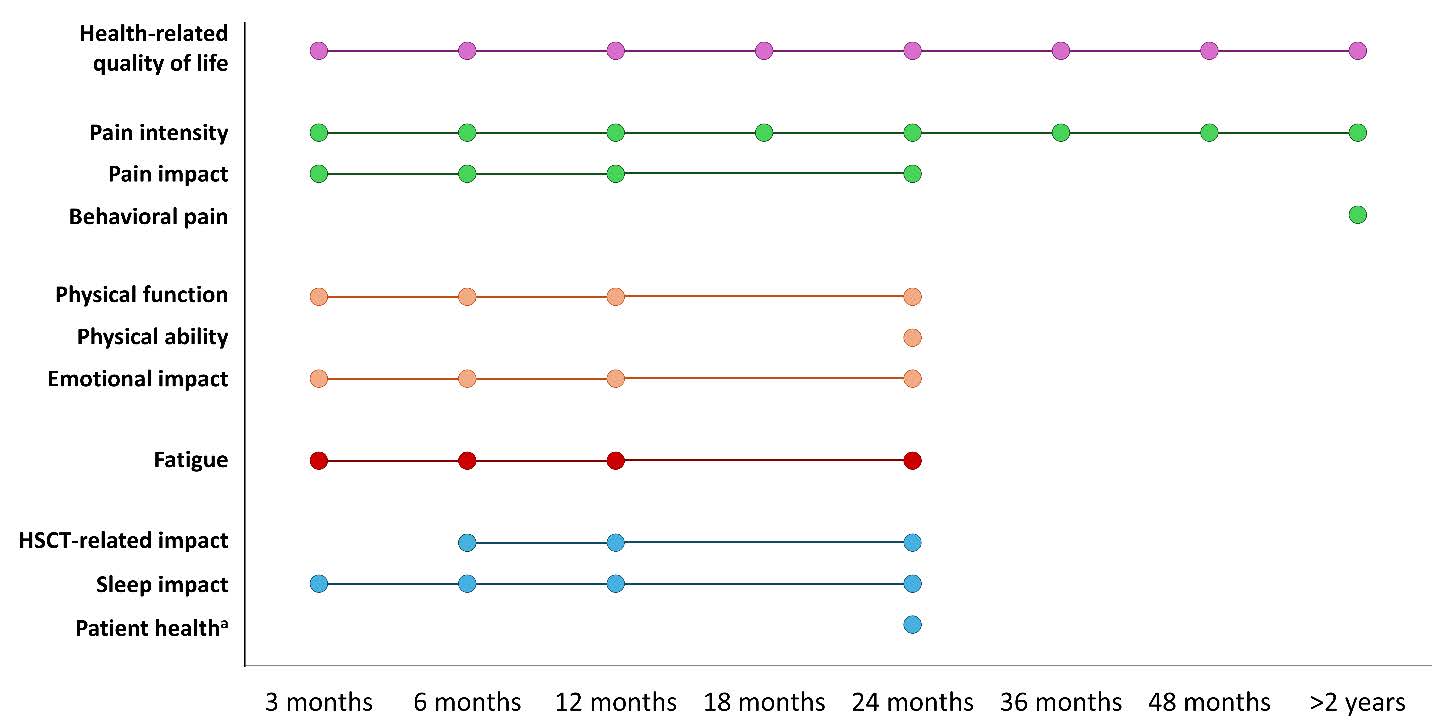

a Patient health was assessed using the MOS-SF-36, which captures multiple aspects of health, including physical functioning, role limitations, social functioning, pain, mental health, vitality, and general health perceptions.
4. Discussion
Along with identifying PROMs used in clinical trials for SCD cell-based gene therapies, the environmental scan and SME discussions identified key gaps and challenges in current practices. This section outlines specific opportunities to strengthen PROM use, each corresponding to an identified gap or challenge.
One identified challenge is that PROMs used in clinical trials assess a wide range of concepts, limiting outcome comparisons. Though SMEs felt the concepts assessed were generally appropriate, they noted that the variability in concepts assessed and PROMs selected may limit comparability across trials. SMEs discussed the need to prioritize PRO endpoints that more directly capture functional impacts and the extent to which symptoms interfere with daily life. They identified aspects of functioning that are highly important to individuals with SCD, including the ability to attend school, maintain friendships, maintain education or employment, engage in social activities, and manage daily responsibilities. In addition, they emphasized that additional aspects of pain beyond its mere presence or intensity of pain may be more informative, such as the extent to which pain interferes with daily functioning and feelings of anxiety around pain episodes.
One potential solution is to prioritize PRO endpoints that assess functional impacts, such as physical function, pain interference, pain catastrophizing, social well-being, and sleep disturbance. SMEs noted that physical function is important because it directly assesses a patient’s ability to participate in activities of daily living. PROMIS-Physical Function was highlighted as a key instrument for assessing this concept. They viewed pain interference, which is the degree to which pain disrupts functioning, as a more meaningful measure because it captures the degree to which patients are able to function due to or in spite of their pain. They also stressed the importance of measuring pain catastrophizing, which is a negative cognitive-affective response to anticipated or actual pain that significantly impacts patients’
daily lives. 79 They emphasized social well-being as it directly captures many aspects of life important to SCD patients (e.g., relationships, education). Lastly, they noted that sleep disturbance is a critical measure due to its relationship to overall functioning.
Another challenge is PROMs often do not account for individual baselines. SMEs also noted that many of the PROMs used in the identified trials may not accurately detect functional “improvements,” as they do not often account for each patient’s unique baseline of health due to SCD. For example, some patients may have lived with more severe pain and fatigue for most of their lives while others may have milder symptoms going into treatment.
One potential solution is to develop or adapt PROMs to capture patients’ expectations for daily functioning. For example, instruments could capture what patients expect to accomplish in their daily lives and then assess the frequency with which they are able to meet those expectations over time. This would shift measurement toward evaluating whether individuals with SCD can function in alignment with their own goals, rather than against population norms. The HAQ-DI and the Sickle Cell World Assessment Survey (SWAY) 80 were highlighted by SMEs as instruments that assess patients’ experience of the impact of SCD on their daily lives.
Additionally, many PROMs are not able to detect meaningful short-term change. PRO endpoints were not explicitly employed as primary endpoints in any identified trial, consistent with their historical role in SCD clinical trials. 81 , 82 SMEs noted one reason may be that existing PROMs, particularly for measuring health-related quality of life, may not be sensitive enough to detect meaningful changes relevant to SCD patients within the span of a clinical trial. In SCD, SMEs noted that health-related quality of life is heavily influenced by personal circumstances – which rarely change – and the pre-existing impacts of the disease. Even following curative treatment, patients may continue to experience residual symptoms (e.g., from pre-existing organ damage) or psychological impacts (e.g., from the major identity shift to not having SCD) that delay their perception of improved quality of life. As a result, PROM outcomes may not fully align with the short-term clinical benefits expected from curative treatment.
One potential solution is to draw on PROMs that are more responsive to near-term changes in symptoms and functioning. SMEs highlighted several PROMs from conditions with measurable shortterm symptom changes as promising starting points. Examples include the Brief Pain Inventory (BPI) 83 and Patient Global Impression of Change (PGIC) 84 used in fibromyalgia trials; the Psoriatic Arthritis Impact of Disease (PsAID) instrument 85 used in psoriatic arthritis trials; the Western Ontario and McMaster Universities Osteoarthritis Index (WOMAC) pain and physical function subscales 86 used in osteoarthritis trials; and the Health Assessment Questionnaire Disability Index (HAQ-DI) 87 used in rheumatoid arthritis trials. Improving the responsiveness of PROMs in SCD could better align PROs with expected treatment effects and may over time support stronger integration into regulatory decisionmaking.
Another challenge is clinical trials rarely use PROMs to assess treatment side effects and safety . Only one identified trial used a PROM to assess the impact of the gene therapy treatment itself, using the FACT-BMT, an instrument originally developed for oncology populations. While FACT-BMT captures important treatment-related concerns such as chemotherapy side effects (e.g., appetite loss, fatigue, concentration difficulties, skin problems), no trials incorporated PROMs to assess patient experience during other key treatment phases such as stem cell mobilization, apheresis, and post-infusion recovery.
Although the FDA has issued guidance that PROMs should not replace traditional safety and adverse event reporting and are typically used as
descriptive/exploratory endpoints, 94 understanding the patient-reported experience of new cell-based gene therapy treatment remains important.
One potential solution is to draw on PROMs used to assess side effects in related clinical contexts where patients undergo similar intensive, multi-phase treatments. PROMs utilized in hematopoietic stem cell transplantation for SCD and oncology-related gene therapy trials can serve as starting points ( Exhibit 9 ), as these treatments similarly involve conditioning chemotherapy regimens and extended recovery periods. These PROMs commonly assess domains related to treatment-related symptoms and adverse events, as well as emotional distress, anxiety, depression, post-traumatic stress, fatigue, and sleep disturbance.
However, SMEs emphasized a critical distinction between SCD and oncology populations that has important implications for adapting PROMs used in this area. Unlike many cancer patients—who typically experienced previous good health—many individuals with SCD have never known life without chronic pain, fatigue, and functional limitations. As a result of this different baseline, they may experience treatment-related side effects differently. This suggests that PROMs used in cancer trials, while useful starting points, may require additional cognitive testing and adaptation to ensure validity for SCD populations undergoing cell-based gene therapy.
Exhibit 9. PROMs Used in Related Clinical Contexts That Could be Adapted to Assess Treatment Side Effects
Symptomatic burden and adverse events:
- Patient-Reported Outcome Version of the Common Terminology for Adverse Events (PRO-CTCAE) 88
- Edmonton Symptom Assessment Scale 89
Emotional distress, anxiety, and/or depression:
- State Trait Anxiety Inventory (STAI) 90
- Hospital Anxiety and Depression Scale 89
- Patient Health Questionnaire (PHQ)-9 89 , 91
- Profile of Mood States (POMS) 90
- National Comprehensive Cancer Network (NCCN) Distress Thermometer 92
Post-traumatic stress:
Fatigue and sleep disturbance:
A final identified challenge is few trials assessed long-term treatment impacts using PROMs. The environmental scan showed that PROMs were administered at relatively consistent intervals (e.g., every 3–6 months) but typically only for up to two years following treatment given the emerging nature of the treatment and the prevalence of Phase 1 and Phase 2 studies. Only two trials planned to assess PROMs beyond two years. Notably, no trials used or planned to use PROMs to assess potential long-term side effects such as impacts on fertility, mental health, or secondary cancer risk—outcomes that SMEs identified as critical to patients and families considering these treatments. SMEs noted that PROMs may yet not exist for some of these concepts.
SMEs noted that timing of PROM administration for long-term follow-up is particularly important given that toxicities from the treatment (e.g., from conditioning regimens) may temporarily worsen PROs and meaningful improvements may take longer to emerge in this population due to existing impacts of the disease and the need to adjust psychologically after treatment.
In addition to long-term follow-up studies, one solution is to incorporate PROMs important to patients into other research designs, such as comparative effectiveness and observational studies . Given the FDA’s requirement for extended (i.e., 15-year) post-treatment follow-up for cell-based gene therapies, there is a critical need for PROMs that can capture long-term outcomes important to patients. This includes treatment satisfaction; lasting effects of the treatment; continued effects of existing damage from SCD despite being “cured”; psychological implications related to identity shifts post-treatment; and potential unknown, delayed impacts of curative therapy. Alternative study designs, which have greater flexibility in choice of outcomes, could incorporate these PROMs and support the generation of more comprehensive evidence on long-term patient experiences.
Such studies could also incorporate other outcomes across the treatment process that may not be considered direct measures of treatment benefit by the FDA but are significant aspects of the patient and caregiver experience, such as anxiety, guilt, fear, and cost of treatment. They may also provide opportunities to not only measure PROs but to also offer solutions or interventions in response to concerning findings. For example, SMEs indicated it would be critical to provide counseling if patients reported depression or to offer guidance on tapering off opioids as pain improves.
4.1 Limitations of the Environmental Scan
This report is subject to some limitations. First, while a significant amount of peer-reviewed literature was reviewed to identify cell-based gene therapy clinical trials for SCD that incorporated PROMs, this treatment remains emerging, and many trials have not yet published full results. As a result, the analysis had to rely more heavily on grey literature sources, including Clinicaltrials.gov listings, manufacturer protocols, and conference abstracts. Consequently, some trials that used or planned to use PROMs may not have been captured if such information was not publicly available at the time of review. In addition, reliance on protocols reflects planned, rather than actual, study conduct. PROM selection and timing may evolve over the course of a trial and thus may differ from what is ultimately reported in protocols. Second, the findings are based on a relatively small number of trials within a rapidly evolving field. As such, patterns in PROM use may reflect the early stage of trials for cell-based gene therapies rather than established practices and should be interpreted accordingly as the evidence base continues to mature.
5. Conclusion
The environmental scan of PROMs used as COAs in SCD cell-based gene therapy clinical trials identified a wide range of instruments in a rapidly evolving field, with several opportunities to strengthen and standardize their use as these therapies undergo longer-term evaluation. While many PROMs are being incorporated in trials, important gaps remain in both the instruments and their application. These include substantial variability that may limit comparability across trials; limited ability to capture meaningful functional improvements; and insufficient assessment of treatment-related side effects, burdens, and long-term impacts.
These challenges point to several promising opportunities for advancing PROM use as COAs in future cell-based gene therapy clinical trials, as well as other research designs (e.g., comparative effectiveness research). These include prioritizing measures that more precisely capture functional outcomes important to patients; tailoring instruments to individuals’ unique functional baselines; developing or adapting instruments to better capture treatment side effects and safety; and extending assessments to identify long-term outcomes. Continued methodological development is essential to advancing these opportunities and generating more comparable and patient-centered evidence, ultimately supporting more comprehensive understanding of the benefits and risks of cell-based gene therapies for SCD. Although broader adoption of PRO endpoints will likely also depend on FDA regulatory guidance and sponsor priorities, this report aims to reduce practical barriers by providing FDA and other federal agencies, researchers, and sponsors with a comprehensive inventory and review of available PROMs and identifying opportunities to strengthen and standardize their use, thereby supporting more consistent PRO assessment in future clinical trials.
Appendix A. Environmental Scan Methods
Exhibit A1. Websites Prioritized During Grey Literature Search
Sources of Information on PROs in Clinical Trials
- ClinicalTrials.gov
- FDA’s Clinical Outcome Assessment Compendium
- FDA’s Clinical Outcome Assessment Qualification Program Submissions
- The PROTEUS (Patient-Reported Outcomes Tools: Engaging Users and Stakeholders) Consortium
- Clinical Trials – Gene Therapy Trial Browser
National Associations/Non-Profit Organizations Focused on SCD
- American Society of Hematology (ASH)
- Sickle Cell Disease Association of America (SCDAA)
- American Academy of Pediatrics (AAP)
- American Public Health Association (APHA)
- American Society of Pediatric Hematology/Oncology (ASPHO)
- Sickle Cell Disease Foundation
- Sick Cells
- OneSCDVoice
- American Society of Gene + Cell Therapy
General PRO Measure Resources
Cell-Based Gene Therapy Manufacturers’ Materials
Exhibit A2. Literature Search Terms
Cell-Based Gene Therapy Trials
| Search Term Category | Example Terms |
|---|---|
| SCD | Sickle cell disease, sickle cell anemia, sickle cell trait |
| PROs | Patient-reported outcome, patient-reported outcome measure, PROM, quality of life, survey |
| Clinical Trials/Study Context | Clinical trial, interventional study, Phase 1, Phase 2, Phase 3, observational study, quality improvement |
| Cell-Based Gene Therapies | gene therapy, cell therapy, genetic therapy, gene editing, CRISPR, lovocel, autotemcel, exacel |
Other Relevant Clinical Contexts
| Search Term Category | Example Terms |
|---|---|
| Disease |
|
| PROs | Patient-reported outcome, patient-reported outcome measure, PROM, quality of life, survey |
| Clinical Trials/Study Context | Clinical trial, interventional study, Phase 1, Phase 2, Phase 3, observational study, quality improvement |
| Treatment |
|
Exhibit A3. Literature Search Inclusion and Exclusion Criteria
| Category | Inclusion Criteria | Exclusion Criteria |
|---|---|---|
| Publication Year | Peer-reviewed journal articles: 2015-present Grey literature: 2015-present | Peer-reviewed journal articles: Before 2015 Grey literature: Before 2015 |
| Document Type | Peer-reviewed journal articles: Clinical trials, observational studies, quality improvement (QI) programs, scoping/systematic reviews of clinical trials or QI programs Grey literature: Clinical trial registrations, reports, working papers, evaluation studies, white papers, conference proceedings, presentations, case studies, fact sheets, issue briefs, government documents, and manufacturers’ trial reporting materials/monitoring updates | Grey literature: Opinion pieces |
| Language | English | Non-English |
| Source | Academic, expert, evaluator | News outlet |
| Population | SCD patients, patients receiving cell-based gene therapies (including oncology-related gene therapies), patients undergoing hematopoietic stem cell transplantation for SCD; patients with conditions that have measurable short-term changes in symptoms or functioning and may offer relevant PROMs (e.g., fibromyalgia, psoriatic arthritis, osteoarthritis, and rheumatoid arthritis) | Patients not receiving cell-based gene therapies or treatments involving comparable conditioning chemotherapy and extended recovery periods; patients with conditions not identified by SMEs as relevant to the review. |
| Focus | Research with or concerning clinical trials, observational studies, or quality improvement programs that evaluate cell-based gene therapies or PRO endpoints for SCD cell-based gene therapies or clinically relevant to them. | Studies or databases that only focus on genetic or biomedical research and do not include a discussion of PROs. Also, studies that only involve qualitative data. Focus primarily on non-SCD chronic conditions without direct relevance to cell-based gene therapy treatment. |
Exhibit A4. Fields Included in Full Article Abstraction Form
| Field Type/Category | Specific Fields |
|---|---|
| Resource Overview |
|
| Study Overview |
|
| PROM Characteristics |
|
Appendix B. Characteristics of PROMs in Inventory
Exhibit B1. PROM Characteristics Included in the Inventory
| PROM Characteristics | |
|---|---|
|
|
Appendix C. PROMs Developed Specifically for SCD
| PROM Name | Brief Description |
|---|---|
| Adult Sickle Cell Quality of Life Measurement Information System (ASCQ-ME) (General) | A set of self-report instruments that evaluate and monitor the physical, mental, and social well-being of adults with sickle cell disease (SCD). 95 |
| ASCQ-ME Sleep Impact | A specific ASCQ-ME instrument that assesses the effect of SCD on getting to sleep, staying asleep, falling back to sleep after waking, and getting enough sleep. |
| ASCQ-ME Emotional Impact | A specific ASCQ-ME instrument that assesses the effect of SCD on a person's feelings and emotions, including worry, depression, and loneliness. |
| ASCQ-ME Pain Impact | A specific ASCQ-ME instrument that assesses the severity of pain and the extent to which the severe and unpredictable pain that characterizes SCD affects a person’s ability to do things. |
| Pediatric Quality of Life (Peds-QL) SCD Module | A specific module of the Peds-QL patient reported outcome measure that measures SCD-specific health-related quality of life. 96 |
Glossary
| Term | Definition |
|---|---|
| Cell-Based Gene Therapy | An ex vivo approach, such as those recently approved by the U.S. Food and Drug Administration (FDA), 1 in which hematopoietic stem cells are removed from the body, modified with new genetic instructions, and then returned to the body to begin producing healthy blood cells. 2 |
| Clinical Outcome Assessment (COA) | A term used by the FDA to indicate a measure that describes or reflects how a patient feels, functions, or survives. Types of COAs recognized by the FDA include: 1) patient-reported outcome measures (PROMs), 2) observer-reported outcome (ObsRO) measures, 3) clinician-reported outcome (ClinRO) measures, and 4) performance outcome (PerfO) measures. 3 |
| Concept of Interest (COI) | What is specifically measured by a COA to help understand how a medical product affects a meaningful aspect of health. The COI operationalizes a broader meaningful aspect of health into a construct that can be validly and reliably assessed within a clinical trial. 4 |
| Endpoint | The measurement that will be statistically compared among treatment groups to assess the effect of treatment and that corresponds with the clinical trial’s objectives, design, and data analysis. Endpoints may be designated as primary, secondary, or exploratory. 5 They can be based on laboratory or clinical data (e.g., biomarkers, survival) or on COAs, including PROMs. |
| Hematopoietic Stem Cell Transplantation (HSCT) | Hematopoietic stem cell transplantation, sometimes referred to as bone marrow transplant, involves administering healthy hematopoietic stem cells to patients with dysfunctional or depleted bone marrow. 6 |
| Meaningful Aspect of Health (MAH) | What a medical product should affect to provide a clinical benefit to patients. COA scores can be interpreted as direct measures of the MAH or specific aspects of the MAH depending on the concept of interest they intend to study. 2 |
| Patient-Reported Outcome (PRO) | A measurement based directly on a patient’s report about their health without interpretation by anyone else including a clinician. 3 |
| PRO Endpoint | An endpoint for which a PROM is used as the measure (versus a physiologic biomarker or other type of measure). |
| Patient-Reported Outcome Measure (PROM) | Tools or instruments used to assess PROs. 7 |
| PROM Domain | A distinct component or sub-concept of a broader health concept measured by a PROM. 5 |
| Sickle Cell Disease | A serious inherited blood disorder caused by a mutation in the hemoglobin subunit beta (HBB) gene, leading to abnormal, sickle-shaped red blood cells that block blood flow and cause severe health complications. 8 |
References
1 U.S. Food and Drug Administration. FDA Approves First Gene Therapies to Treat Patients with Sickle Cell Disease. FDA News Release. August 3, 2023. Accessed March 9, 2026. https://www.fda.gov/news-events/pressannouncements/fda-approves-first-gene-therapies-treat-patients-sickle-cell-disease
2 American Society of Gene & Cell Therapy. Understanding Cell and Gene Therapy: Conditions Treated – Blood Disorders: Sickle Cell Disease. 2023. Accessed March 9, 2026. https://patienteducation.asgct.org/understandingcell-gene-therapy/conditions-treated/blood-disorders/sickle-cell-disease
3 U.S. Food and Drug Administration. Clinical Outcome Assessment (COA): Frequently Asked Questions. Accessed March 10, 2026. https://www.fda.gov/about-fda/clinical-outcome-assessment-coa-frequently-askedquestions#COADefinition
4 U.S. Food and Drug Administration. Patient-Focused Drug Development: Selecting, Developing, or Modifying Fitfor-Purpose Clinical Outcome Assessments – Guidance for Industry, Food and Drug Administration Staff, and Other Stakeholders. October 2025. Accessed March 10, 2026. https://www.fda.gov/media/159500/download
5 U.S. Food and Drug Administration. Patient-Reported Outcome Measures: Use in Medical Product Development to Support Labeling Claims. Guidance for Industry. December 2009. Accessed March 10, 2026. https://www.fda.gov/media/77832/download
6 Khaddour K, Hana CK, Mewawalla P. Hematopoietic Stem Cell Transplantation. In: StatPearls. StatPearls Publishing; 2026. Accessed March 10, 2026. http://www.ncbi.nlm.nih.gov/books/NBK536951/
7 Weldring T, Smith SM. Patient-Reported Outcomes (PROs) and Patient-Reported Outcome Measures (PROMs). Health Serv Insights . 2013;6:61-68. doi:10.4137/HSI.S11093
8 World Health Organization. Sickle-Cell Disease. August 6, 2025. Accessed March 17, 2026. https://www.who.int/news-room/fact-sheets/detail/sickle-cell-disease
9 Centers for Disease Control and Prevention. Data and statistics on sickle cell disease. May 15, 2024. Accessed December 4, 2025. https://www.cdc.gov/sickle-cell/data/index.html
10 Brandow AM, Liem RI. Advances in the diagnosis and treatment of sickle cell disease . J Hematol Oncol . 2022;15(1):20. doi:10.1186/s13045-022-01237-z
11 Jiao B, Johnson KM, Ramsey SD, Bender MA, Devine B, Basu A. Long-term survival with sickle cell disease: a nationwide cohort study of Medicare and Medicaid beneficiaries. Blood Adv . 2023;7(13):3276-3283. doi:10.1182/bloodadvances.2022009202
12 American Society of Hematology. Quantifying the Life Expectancy Gap for People Living with Sickle Cell Disease. 2023. Accessed December 4, 2025. https://www.hematology.org/newsroom/press-releases/2023/quantifying-thelife-expectancy-gap-for-people-living-with-sickle-cell-disease
13 National Heart, Lung, and Blood Institute. Sickle Cell Disease Treatment. September 30, 2024. Accessed December 4, 2025. https://www.nhlbi.nih.gov/health/sickle-cell-disease/treatment
14 Williams H, Tanabe P. Sickle cell disease: a review of nonpharmacological approaches for pain. J Pain Symptom Manage . 2016;51(2):163-177. doi:10.1016/j.jpainsymman.2015.10.017
15 Salinas Cisneros G, Thein SL. Recent advances in the treatment of sickle cell disease. Front Physiol . 2020;11:435. Published 2020 May 20. doi:10.3389/fphys.2020.00435
16 Kabrah SM. Emerging Gene Therapies in Sickle Cell Disease: A Comparative Review of Efficacy and Safety Against Standard Treatments. J Blood Med . 2025;16:493-507. doi:10.2147/JBM.S556513
17 U.S. Food and Drug Administration. CASGEVY. Updated February 21, 2024. Accessed March 10, 2026. https://www.fda.gov/vaccines-blood-biologics/casgevy
18 U.S. Food and Drug Administration. LYFGENIA. Updated July 10, 2024. Accessed March 10, 2026. https://www.fda.gov/vaccines-blood-biologics/lyfgenia
19 CRISPR Medicine News. Sickle Cell Disease, SCD (NCT04819841). Updated May 20, 2025. Accessed March 10, 2026. https://crisprmedicinenews.com/clinical-trial/sickle-cell-disease-scd-nct04819841/
20 National Library of Medicine (US). Stem Cell Gene Therapy for Sickle Cell Disease. ClinicalTrials.gov identifier: NCT02247843. Updated April 17, 2024. Accessed March 10, 2026. https://clinicaltrials.gov/study/NCT02247843
21 Sharma A. How I treat sickle cell disease with gene therapy. Blood. 2024;144(26):2693-2705. doi:10.1182/blood.2024024519
22 U.S. Food and Drug Administration. Multiple Endpoints in Clinical Trials: Guidance for Industry. October 2022. Accessed March 10, 2026. https://www.fda.gov/media/162416/download
23 U.S. Food and Drug Administration. Patient-reported outcomes and other clinical outcome assessments. January 30, 2025. Accessed December 4, 2025. https://www.fda.gov/science-research/focus-areas-regulatory-sciencereport/focus-area-patient-reported-outcomes-and-other-clinical-outcome-assessments
24 U.S. Food and Drug Administration. Clinical outcome assessment compendium. Accessed December 9, 2025. https://www.fda.gov/drugs/development-resources/clinical-outcome-assessment-compendium
25 Farrell AT, Panepinto J, Carroll CP, et al. End points for sickle cell disease clinical trials: patient-reported outcomes, pain, and the brain. Blood Adv . 2019;3(23):3982-4001. doi:10.1182/bloodadvances.2019000882
26 Jensen MP. Measuring pain intensity. In: Jensen MP, ed. The Pain Stethoscope: A Clinician’s Guide to Measuring Pain. Springer Healthcare Ltd.; 2011:3-7. doi:10.1007/978-1-908517-43-2_2
27 Breivik H, Borchgrevink PC, Allen SM, et al. Assessment of pain. Br J Anaesth 2008;101(1):17–24.
28 Couper M, Tourangeau R, Conrad F, et al. : Evaluating the effectiveness of visual analog scales: A web experiment. Soc Sci Comput Rev . 2006;24:227-245
29 Karayannis NV, Sturgeon JA, Chih-Kao M, Cooley C, Mackey SC. Pain interference and physical function demonstrate poor longitudinal association in people living with pain: a PROMIS investigation. Pain . 2017;158(6):1063-1068. doi:10.1097/j.pain.0000000000000881
30 HealthMeasures. Patient-Reported Outcome Measurement Information System: PROMIS Pain Interference Scoring Manual. February 23, 2021. Accessed March 10, 2026. https://www.healthmeasures.net/images/PROMIS/manuals/PROMIS_Pain_Interference_Scoring_Manual.pdf
31 HealthMeasures. Adult Sickle Cell Quality of Life Measurement Information System: ASCQ-Me Scoring Manual. December 2017. Accessed March 10, 2026. https://www.healthmeasures.net/images/ASQMe/ASCQ- Me_Scoring_Manual.pdf
32 Varni JW. PedsQL™ (Pediatric Quality of Life Inventory™). Accessed March 10, 2026. https://www.pedsql.org/
33 HealthMeasures. PROMIS: Physical Function. June 10, 2020. Accessed March 17, 2026. https://www.healthmeasures.net/images/PROMIS/manuals/PROMIS_Physical_Function_Scoring_Manual.pdf
34 Revicki DA, Chen WH, Harnam N, et al. Development and psychometric analysis of the PROMIS pain behavior item bank. PAIN . 2009;146(1):158-169. doi:10.1016/j.pain.2009.07.029
35 HealthMeasures. Patient-Reported Outcome Measurement Information System: PROMIS Pain Behavior Scoring Manual. July 19, 2019. Accessed March 10, 2026. https://www.healthmeasures.net/images/promis/manuals/PROMIS_Pain_Behavior_Scoring_Manual.pdf
36 Negative Emotion. ScienceDirect Topics. Accessed March 16, 2026. https://www.sciencedirect.com/topics/computer-science/negative-emotion
37 HealthMeasures. Patient-Reported Outcome Measurement Information System: PROMIS Pain Behavior Scoring Manual. July 19, 2019. Accessed March 10, 2026. https://www.healthmeasures.net/images/promis/manuals/PROMIS_Pain_Behavior_Scoring_Manual.pdf
38 HealthMeasures. Patient-Reported Outcome Measurement Information System: PROMIS Depression Scoring Manual. February 28, 2019. Accessed March 10, 2026. https://www.healthmeasures.net/images/PROMIS/manuals/PROMIS_Depression_Scoring_Manual.pdf
39 HealthMeasures. Patient-Reported Outcome Measurement Information System: PROMIS Anxiety Scoring Manual. March 1, 2019. Accessed March 10, 2026. https://www.healthmeasures.net/images/PROMIS/manuals/PROMIS_Anxiety_Scoring_Manual.pdf
40 Definition of fatigue. NCI Dictionary of Cancer Terms. February 2, 2011. Accessed March 16, 2026. https://www.cancer.gov/publications/dictionaries/cancer-terms/def/fatigue
41 HealthMeasures. Patient-Reported Outcome Measurement Information System: PROMIS Fatigue Scoring Manual. February 28, 2019. Accessed March 10, 2026. https://www.healthmeasures.net/images/PROMIS/manuals/PROMIS_Fatigue_Scoring_Manual.pdf
42 Socioemotional Functioning - an overview. ScienceDirect Topics. Accessed March 16, 2026. https://www.sciencedirect.com/topics/psychology/socioemotional-functioning
43 Cognitive Functioning. APA Dictionary of Psychology. Accessed March 16, 2026. https://dictionary.apa.org/
44 HealthMeasures. PROMIS® (Patient-Reported Outcomes Measurement Information System). Accessed March 10, 2026. https://www.healthmeasures.net/explore-measurement-systems/promis
45 COPM Inc. The Canadian Occupational Performance Measure (COPM). Accessed March 10, 2026. https://www.thecopm.ca/
46 Occupational Status - an overview. ScienceDirect Topics. Accessed March 16, 2026. https://www.sciencedirect.com/topics/social-sciences/occupational-status
47 PhenX Toolkit. Current Employment Status (#011300): PhenX Core Tier 2 Measure. RTI International; 2015. Accessed March 10, 2026. https://curesickle.org/system/files/PhenX_Core_Tier_2_Employment_status.pdf
48 Harvard Medical School. Health and Work Performance Questionnaire (HPQ). Accessed March 10, 2026. https://www.hcp.med.harvard.edu/hpq/
49 Self-Efficacy. APA Dictionary of Psychology. Accessed March 16, 2026. https://dictionary.apa.org/
50 PhenX Toolkit. Self-efficacy in Sickle Cell Disease (Protocol ID: 820401). Published July 30, 2015. Accessed March 10, 2026. https://www.phenxtoolkit.org/protocols/view/820401
51 Cronin RM, Dorner TL, Utrankar A, et al. Increased Patient Activation Is Associated with Fewer Emergency Room Visits and Hospitalizations for Pain in Adults with Sickle Cell Disease. Pain Med. 2019;20(8):1464-1471. doi:10.1093/pm/pny194
52 Frangoul H, Locatelli F, Sharma A, et al. Exagamglogene Autotemcel for Severe Sickle Cell Disease. New England Journal of Medicine . 2024;390(18):1649-1662. doi:10.1056/NEJMoa2309676
53 Sharma A, Locatelli F, Bhatia M, et al. Improvements in health-related quality of life in patients with severe sickle cell disease after exagamglogene autotemcel. Blood Adv . 2025;9(24):6481-6490. doi:10.1182/bloodadvances.2025016701
54 EuroQol. EQ-5D-5L. January 21, 2025. Accessed March 17, 2026. https://euroqol.org/information-andsupport/euroqol-instruments/eq-5d-5l/
55 EuroQol. EQ-5D-Y-3L. January 21, 2025. Accessed March 17, 2026. https://euroqol.org/information-andsupport/euroqol-instruments/eq-5d-y-3l/
56 Chuang LH, Kind P, Kohlmann T, Feng YS. Exploring the origin and conceptual framework of the EQ VAS. Qual Life Res . 2025;34(8):2163-2173. doi:10.1007/s11136-025-03947-6
57 PhenX Toolkit. Protocol – PedsQL Sickle Cell Disease Module. Accessed March 17, 2026. https://www.phenxtoolkit.org/protocols/view/820202
58 FACIT Group. Functional Assessment of Cancer Therapy – Bone Marrow Transplantation (FACT-BMT). Accessed March 17, 2026. https://www.facit.org/measures/fact-bmt
59 Vertex Pharmaceuticals Incorporated. A Long-term Follow-up Study in Participants Who Received CTX001. ClinicalTrials.gov Identifier: NCT04208529. Updated February 11, 2025. Accessed February 19, 2026. https://clinicaltrials.gov/study/NCT04208529
60 MDCalc. The Face, Legs, Activity, Cry, and Consolability (FLACC) Scale. Accessed March 17, 2026. https://www.mdcalc.com/calc/10545/face-legs-activity-cry-consolability-flacc-scale
61 Wong-Baker FACES Foundation. Wong-Baker FACES Pain Rating Scale. Accessed March 17, 2026. https://wongbakerfaces.org/
62 Grimley M, Davies SM, Shrestha A, et al. Lentiviral gene therapy with reduced-intensity conditioning for sickle cell disease: a phase 1/2 trial. Nat Med. 2025;31(7):2204-2212. doi:10.1038/s41591-025-03662-2
63 Walters MC, Tisdale JF, Mapara MY, et al. Sustained Improvements in Patient-Reported Quality of Life up to 24 Months Post-Treatment with LentiGlobin for Sickle Cell Disease (bb1111) Gene Therapy. Blood. 2021;138(Supplement 1):7. doi:10.1182/blood-2021-146905
64 Kanter J, Thompson AA, Kwiatkowski JL, et al. Efficacy, Safety, and Health-Related Quality of Life (HRQOL) in Patients with Sickle Cell Disease (SCD) Who Have Received Lovotibeglogene Autotemcel (Lovo-cel) Gene Therapy: Up to 60 Months of Follow-up. Blood. 2023;142(Supplement 1):1051. doi:10.1182/blood-2023-174229
65 HealthMeasures. PROMIS-57 Profile. Accessed March 17, 2026. https://www.healthmeasures.net/index.php?option=com_instruments&view=measure&id=860&Itemid=992
66 Sharma A, Boelens J-J, Cancio M, et al. CRISPR-Cas9 Editing of the HBG1 and HBG2 Promoters to Treat Sickle Cell Disease: Protocol Supplement. N Engl J Med. 2023;389(9):820-832. doi:10.1056/NEJMoa2215643. Accessed February 19, 2026. https://www.nejm.org/doi/suppl/10.1056/NEJMoa2215643/suppl_file/nejmoa2215643_protocol.pdf
67 Novartis. Study results synopsis for public disclosure: Study No. CADPT03A12101. Novartis Clinical Trial Results Database. Published 2025. Accessed March 13, 2026. https://www.novctrd.com/ctrdweb/trialresult/trialresults/pdf?trialResultId=18388
68 HealthMeasures. ASCQ-ME: List of Measures – Pain Impact. Accessed March 17, 2026. https://www.healthmeasures.net/explore-measurement-systems/ascq-me/intro-to-ascq-me/list-of-measures
69 HealthMeasures. ASCQ-ME: List of Measures – Sleep Impact. Accessed March 17, 2026. https://www.healthmeasures.net/explore-measurement-systems/ascq-me/intro-to-ascq-me/list-of-measures
70 National Library of Medicine (US). Efficacy Safety Study of Gene Therapy for Sickle Cell DiseaseSCD Using Autologous CD34+ Cells Transduced ex Vivo, Carrying a Corrected Globin Gene and a Silencing RNA. (DREPAMIR). ClinicalTrials.gov identifier: NCT07432867. Updated February 25, 2026. Accessed March 10, 2026. https://clinicaltrials.gov/study/NCT07432867
71 World Health Organization. Global Physical Activity Questionnaire (GPAQ). November 13, 2021. Accessed March 17, 2026. https://www.who.int/publications/m/item/global-physical-activity-questionnaire
72 Rand Health. 36-Item Short Form Survey (SF-36). Accessed March 17, 2026. https://www.rand.org/health/surveys/mos/36-item-short-form.html
73 FACIT Group. Functional Assessment of Chronic Illness Therapy – Fatigue Scale. Accessed March 17, 2026. https://www.facit.org/measures/facit-fatigue
74 Kohn D, Krishnamurti L, London WB, et al. A Multi-Center, Phase 2 Gene Transfer Study Inducing Fetal Hemoglobin in Sickle Cell Disease (GRASP). Published online November 27, 2024. Accessed April 16, 2026. https://bmtctn.net/system/files/BMT%20CTN%202001_Protocol_v5.0_signed_2.pdf
75 Patient-Reported Outcomes Measurement Information System. PROMIS sleep disturbance. HealthMeasures. February 19, 2021. https://www.healthmeasures.net/images/PROMIS/manuals/PROMIS_Sleep_Disturbance_Scoring_Manual.pdf
76 Bauer D. An Adaptive Design Basket Trial of Hematopoietic Stem Cell BCL11A Enhancer Gene Editing for Severe β-Hemoglobinopathies. clinicaltrials.gov; 2026. Accessed April 16, 2026. https://clinicaltrials.gov/study/NCT06647979
77 U.S. Food and Drug Administration. LYFGENIA (lovotibeglogene autotemcel) suspension for intravenous infusion: prescribing information. December 2023. Accessed March 10, 2026. https://www.fda.gov/media/174610/download
78 U.S. Food and Drug Administration. CASGEVY (exagamglogene autotemcel) suspension for intravenous infusion: prescribing information. December 2023. Accessed March 10, 2026. https://www.fda.gov/media/174615/download
79 Quartana PJ, Campbell CM, Edwards RR. Pain catastrophizing: a critical review. Expert Rev Neurother. 2009;9(5):745-758. doi:10.1586/ern.09.34
80 Osunkwo I, Andemariam B, Minniti CP, et al. Impact of sickle cell disease on patients' daily lives, symptoms reported, and disease management strategies: Results from the international Sickle Cell World Assessment Survey (SWAY). Am J Hematol. 2021;96(4):404-417. doi:10.1002/ajh.26063
81 Ataga KI. The challenge of clinical end points in sickle cell disease. Blood. 2023;142(24):2047-2054. doi:10.1182/blood.2023021220
82 Adiutori R, Capella B, Savre I, Chamberlain C, Bothorel S, Sherafat-Kazemzadeh R. Use of Patient-Reported Outcomes for Sickle-Sell Disease in Clinical Trials: Do they match with consensus-based core outcomes sets recommendations? Published online 2023. Accessed May 21, 2026. https://www.ispor.org/docs/defaultsource/euro2023/pro-and-corescdposter30oct2023128399-pdf.pdf?sfvrsn=5f039828_0
83 Brief Pain Inventory (BPI). UT MD Anderson. Accessed April 10, 2026. https://www.mdanderson.org/research/departments-labs-institutes/departments-divisions/symptomresearch/symptom-assessment-tools/brief-pain-inventory.html
84 Patient Global Impression of Change. PhenX Toolkit. Accessed April 10, 2026. https://www.phenxtoolkit.org/protocols/view/860801
85 Queiro R. Psoriatic Arthritis Impact of Disease (PsAID) questionnaire: closer to the all-in-one tool? Rheumatology (Oxford). 2023;62(11):3513-3515. doi:10.1093/rheumatology/kead209
86 WOMAC Osteoarthritis Index. Physiopedia. Accessed April 10, 2026. https://www.physiopedia.com/WOMAC_Osteoarthritis_Index
87 Health Assessment Questionnaire Disability Index (HAD-QI). Physiopedia. Accessed April 10, 2026. https://www.physio-pedia.com/Health_Assessment_Questionnaire_Disability_Index_(HAD-QI )
88 Bryant AL, Coffman E, Phillips B, et al. Pilot randomized trial of an electronic symptom monitoring and reporting intervention for hospitalized adults undergoing hematopoietic stem cell transplantation. Support Care Cancer. 2020;28(3):1223-1231. doi:10.1007/s00520-019-04932-9
89 Gao L, Nelson A, Barata A, et al. Prolonged Hospitalization for Hematopoietic Cell Transplantation: Characteristics, Risk Factors and Associations with Patient-Reported and Clinical Outcomes. Transplant Cell Ther. 2025;31(9):697.e1-697.e12. doi:10.1016/j.jtct.2025.05.026
90 Runaas L, Hoodin F, Munaco A, et al. Novel Health Information Technology Tool Use by Adult Patients Undergoing Allogeneic Hematopoietic Cell Transplantation: Longitudinal Quantitative and Qualitative Patient- Reported Outcomes. JCO Clin Cancer Inform. 2018;2:1-12. doi:10.1200/CCI.17.00110
91 El-Jawahri A, LeBlanc TW, Kavanaugh A, et al. Multisite Randomized Trial of Inpatient Palliative Care Intervention for Patients Undergoing Hematopoietic Stem Cell Transplantation. J Clin Oncol. 2025;43(24):2700-2711. doi:10.1200/JCO-25-00378
92 Banerjee R, Huang CY, Dunn L, et al. Digital Life Coaching During Stem Cell Transplantation: Development and Usability Study. JMIR Form Res. 2022;6(3):e33701. Published 2022 Mar 4. doi:10.2196/33701
93 Johnston D, Gerbing R, Alonzo T, et al. Patient-Reported Outcome Coordinator Did Not Improve Quality of Life Assessment Response Rates: A Report from the Children's Oncology Group. PLoS One. 2015;10(4):e0125290. Published 2015 Apr 27. doi:10.1371/journal.pone.0125290
94 U.S. Food and Drug Administration. Core patient-reported outcomes in cancer clinical trials: guidance for industry. Silver Spring, MD: U.S. Food and Drug Administration; October 2024. Accessed March 13, 2026. https://www.fda.gov/media/149994/download
95 HealthMeasures. Available ASCQ-ME measures for adult self-report. August 21, 2025. Accessed April 20, 2026. https://www.healthmeasures.net/explore-measurement-systems/ascq-me/intro-to-ascq-me/list-of-measures
96 MAPI Research Trust. Pediatric quality of life inventory sickle cell disease module. October 2025. Accessed April 20, 2026. https://eprovide.mapi-trust.org/instruments/pediatric-quality-of-life-inventory-sickle-cell-diseasemodule
*This content is in the process of Section 508 review. If you need immediate assistance accessing this content, please submit a request to Jennifer Wiltz, Jennifer.Wiltz@hhs.gov. Content will be updated pending the outcome of the Section 508 review.